

Last Updated on February 3, 2026 by Rob Cashman
Not all accused defendants are ‘guilty’. Many accused defendants did not do the unlawful activity claimed in the lawsuit for which money damages are sought.
In the Strike 3 Holdings, LLC lawsuits in which our law firm often defends accused “John Doe” Defendants, too often, the accused ISP account holder did not do the downloading of Strike 3 Holdings’ copyrighted adult films.
I have outlined many ways that ISP account holders are routinely implicated as “John Doe” Defendants simply because they are the account holder (but really, it was someone else who did the unlawful activity).
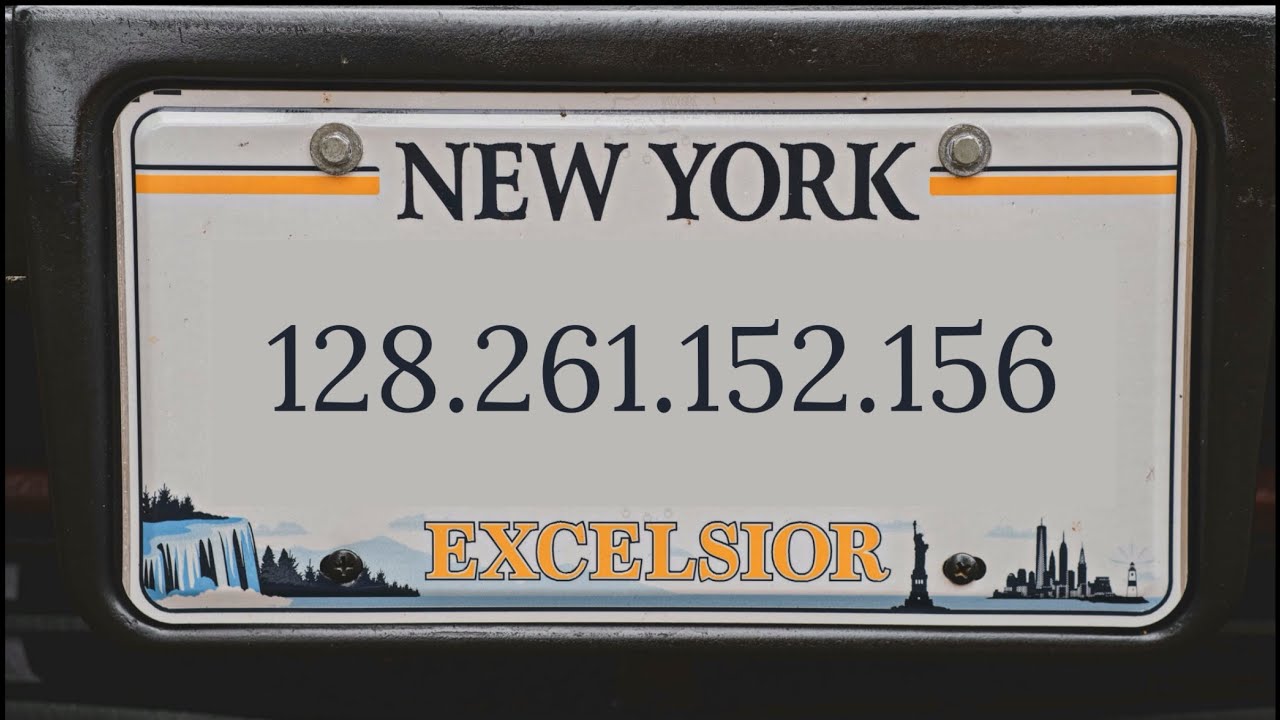
Watch our Full Video explaining the “Spinning Car” Analogy on YouTube for an easy 2-minute explanation.
The UNEMOTIONAL MINDSET, as described
When an internet account holder is sued for something he did not do, he must develop for himself an UNEMOTINOAL MINDSET of strength and balance — understanding who did what to whom, and what his obligations are (and more importantly, what they are NOT) to the copyright holder who likely sued him.
I developed the ideas of this mindset in the article, “MINDSET: How to effectively SEE your lawsuit (UNEMOTIONALLY).“
Regardless of whether the account holder is liable for the damages that the plaintiff copyright holder experienced, he still must take into consideration that:
- IF he is named as a Defendant, he will still need to spend time and money defending against the claims asserted against him. And,
- EVEN IF HE IS NOT named as a Defendant, while he is still considered by the plaintiff as the “John Doe Defendant assigned IP Address…,” there are still things he will still can do to avoid the complications and financial burdens that come with litigation.
This is true not only for a copyright infringement defendant, but for ANY defendant accused of injuring someone else (financially, unlawfully, or otherwise).

The Analogy of the “Spinning Car.”
“IMAGINE that you are driving along the internet highway in your “SAFE” CAR, staying in your own lane and minding your own business. You are following all of the laws of the road, and are driving safely, and at a safe speed.
Unbeknownst to you, a large TRUCK hits a SMALL “RECKLESS” CAR, which is also driving along the same highway a few lanes away from you. The TRUCK observes the LICENSE PLATE of the driver of the SMALL “RECKLESS” CAR, as it swerves into the TRUCK, nearly cutting him off. But the TRUCK accidentally hits the SMALL “RECKLESS” CAR.
Because of the large size difference, the impact by the large TRUCK sends the SMALL “RECKLESS” CAR spinning out of control. The SMALL “RECKLESS” CAR spins into you, the driver of the “SAFE” CAR, destroying your car, and sending you to the hospital…“
Who-is-who in the “Spinning Car” analogy, and how does this analogy apply to copyright infringement lawsuits?
In real life, the activities of an unknown internet user (who ‘steals’ or ‘make use’ of an ISP account holder’s IP Address) causes the ISP account holder to incur the emotional burdens and financial burdens of having to defend against a lawsuit (when the ISP account holder did not participate in the unlawful activities that prompted the lawsuit). But the copyright holder is not aware of this, and believes it is the account holder who infringed his copyrighted works because it ‘saw’ his IP address when his works were being infringed.
In the context of the “Spinning Car” analogy:
- The “SAFE” CAR is the ISP account holder, ‘driving’ safely down the internet highway — being careful, not breaking any rules. So too, the ISP account holder has not engaged in any unlawful activity, and has not infringed the copyright holder’s rights.
- The SMALL “RECKLESS” CAR that cuts off the truck (and goes spinning when ‘hit’ by it) is the unknown internet user who ‘stole’ or ‘made use’ of the account holder’s IP address (in the analogy, his ‘license plate’) [with or without his knowledge, with or without his authorization, with or without his control] to download and share the copyright holder’s videos, movies, books, or software without the copyright holder’s permission.
- the TRUCK is the copyright holder which, when cut off, observes and makes note of the “LICENSE PLATE” of the SMALL “RECKLESS” CAR, bumping it, sending it spinning into the ISP account holder’s “SAFE” CAR when it cuts him off.
Here, the TRUCK files a lawsuit against an unknown “John Doe” Defendant [who the TRUCK thinks is really the SMALL “RECKLESS CAR” — the internet user who was downloading his copyrighted files. He files the lawsuit referencing only the LICENSE PLATE (the IP address) because he observed it cutting him off (unbeknownst to him, the LICENSE PLATE really belongs to the driver of the “SAFE” CAR).
But, the copyright holder (the TRUCK) does not know the identity of the internet user (who is driving the SMALL “RECKLESS” CAR). It only saw his LICENSE PLATE (which is the IP ADDRESS only used by the SMALL “RECKLESS” CAR because that driver stole the license plate from the driver of the “SAFE” CAR without its owner being aware that his LICENSE PLATE (IP address) was stolen or misused.
It is the SMALL “RECKLESS” CAR that, when tapped by the TRUCK, spins out of control, hitting the “SAFE” CAR (the ISP account holder) — subjecting the driver of the “SAFE” CAR (the ISP account holder) to suffer significant damage to his car.
The Analogy of the “Spinning Car” applies any time a Defendant is forced to defend against claims, even if he did not do the unlawful activity.
Every time you are impacted by a copyright holder filing a lawsuit against you (or against a “John Doe” Defendant [placeholder] having an IP Address [which was assigned to your internet account], as the likely future named defendant in the lawsuit, whether you did the unlawful activity which caused the lawsuit or not, you are forced to defend yourself.
Whether this means spending money in attorney fees defending your case in litigation, hiring an attorney to resolve the case whether in court or out-of-court (e.g., via a settlement negotiation or implementing any other strategy) — all of these will cost you time, emotional effort, and money.
If you did not do the activity claimed by the plaintiff, unfortunately, you still need to defend against the claims in the lawsuit.
In copyright infringement cases involving an IP Address used as evidence of guilt, the ISP account holder is often accused of downloading copyrighted content owned by the copyright owner, even if another internet user was the one who actually did the downloading. [This could happen in many situations, including those listed here who use the account holder’s internet account with or without his awareness.]
Nevertheless, because the plaintiff’s attorney will convince the court to allow them to send a subpoena to the ISP, and because the ISP will always identify the account holder as being the individual assigned the IP address [on the date and time where the unlawful downloading of the plaintiff’s copyrighted works occurred], it is the account holder who is directly affected by the unknown internet user’s activities.
When the account holder receives notice from the ISP that he is implicated as a potential defendant in the lawsuit (this usually comes by way of the ISP sending the account holder a letter, along with a copy of the subpoena sent to it to reveal the account holder’s personal information), it is in his best interest to immediately contact an attorney to ascertain his rights in what he can do in response to the ISP subpoena (for example, can he file a Motion to Quash the subpoena?), and to learn about his options in what he can do:
- BEFORE he is named as a defendant in the lawsuit (while the ‘defendant’ is still a “John Doe subscriber assigned IP Address…”), and/or
- AFTER he is named as a defendant in the lawsuit.
In both cases, the ISP account holder will be spending TIME, EMOTIONAL ENERGY, AND MONEY to retain an attorney and defend against the claims in the lawsuit (even though he might not have done the unlawful activity).
The amount of damage internet users cause to the ISP account holders who are held responsible for the activities they engage in using their IP address is unimaginable. But the ISP account holders are the only ones who are held to account for the activities of the often unknown internet user.
What should be the MINDSET of the driver of the “SAFE” CAR (the internet account holder) when he is hit by the “Spinning Car”?
Very plainly, the driver of the “SAFE” CAR (the ISP account holder) has just been impacted by an unknown driver spinning out of control. His car is totaled; he is taken to the hospital.
Following the hospital, he needs to take accountability for getting his car repaired or replaced. He also needs to pay the hospital bills, even though he did nothing wrong.
If he is able to identify the owner of the SMALL “RECKLESS” CAR (the one who actually did the downloads, using his internet account and/or his IP address without his knowledge), by all means, he owes no duty of loyalty to that driver.
Emotionally, it makes sense that he might become enraged with that internet user. However, that will do nothing to repair or replace his car, nor will it pay his hospital bills. Let’s not forget that there is still a lawsuit filed against him by the TRUCK driver (who mistakenly thinks he was the driver of the SMALL “RECKLESS” CAR).
I’m of the opinion that if he is able to determine who the driver of the SMALL “RECKLESS” CAR is, I see no reason why he shouldn’t hold that driver liable for everything that happened. That driver not only wrecked his car and sent him to the hospital, but he is now costing him attorney fees and energy to defend his case against the truck driver.
If this were a copyright infringement lawsuit, this would be the internet account holder informing the plaintiff’s attorney (likely through his attorney) that it was so-and-so who downloaded his copyrighted titles, not him. The copyright holder would then pursue the actual downloader (the reckless internet user) in the lawsuit by naming and serving him or her, not the ISP account holder.
But returning to the analogy, if he doesn’t know who the driver is of the SMALL “RECKLESS” CAR (perhaps he ‘sped away’ after spinning into him), the driver of the “SAFE” CAR still needs to repair his car, pay his hospital bills, and defend his case against the TRUCK driver. This is NOT “fair,” but it is real.
Incorporating this analogy into your understanding of your case will help you form an UNEMOTIONAL MINDSET that while the copyright holder may have been damaged and deserves compensation from the internet user who infringed his copyrights… As the account holder, you owe the copyright holder no duty to settle the claims against you or to ‘admit guilt or liability’ for activities that someone else did 1) using your IP address, or 2) using your account (either one, without your knowledge, authorization or control).
You can read more about developing this UNEMOTIONAL MINDSET in this article.